A root canal removes the source of toothache, but the tooth and the bone around it still need a few days to settle. Knowing what is normal — and what is not — saves a lot of worry.
What is normal
- Tenderness when biting for two to five days. The tissues around the root tip were inflamed before treatment and have been worked on; they take time to calm down.
- Mild, dull ache that responds to the prescribed painkiller.
- Slight gum soreness where the rubber dam clamp or the anaesthetic injection sat.
- A "different" feeling when biting, especially before the final crown is fitted.
Discomfort should get a little better every day. By the end of the first week most patients have forgotten the tooth.
What helps
- Take the painkiller as prescribed for the first day or two rather than waiting for pain to build.
- Chew on the other side until the permanent crown is in place.
- Keep the area clean; brush and floss normally.
- Avoid very hard or sticky foods on that tooth — a temporary filling can crack.
When to call us
- Pain that is getting worse after day three instead of better
- Swelling of the gum, cheek or face
- Pain that keeps you awake and does not respond to medication
- A temporary filling that has fallen out
- Pain when the tooth touches the opposing tooth that does not ease — the filling may simply be a fraction high and needs a quick adjustment
These do not necessarily mean the treatment has failed; a high bite or lingering inflammation is easily managed. But they should be checked rather than waited out.
Why the crown matters
A root-treated tooth is drier and more brittle than a live tooth. Without a crown, back teeth in particular can fracture — sometimes beyond repair — months after a successful root canal. The crown is not an optional extra; it is the second half of the treatment. Read more about crowns and bridges.
Single-sitting root canals
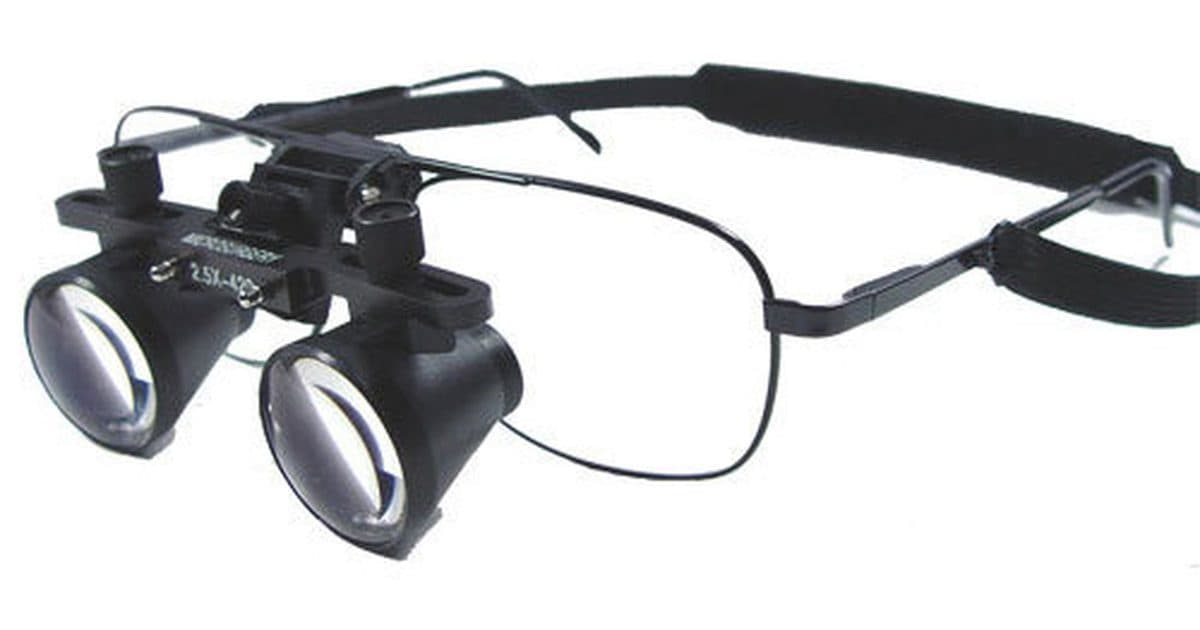
At Lifedent, most root canals are completed in a single sitting with magnification and rotary instruments. Post-treatment discomfort is generally similar whether the treatment takes one visit or two; what matters is thorough cleaning and a good seal.
Common questions
Why does my root canal tooth hurt when I press on it? The ligament around the root is inflamed and acts like a bruise. Pressure sensitivity for a few days is normal and fades.
Can a root canal tooth get infected again? Rarely, if bacteria re-enter through a leaking filling, a missed canal or a crack. A delayed crown is the commonest avoidable cause.
How long before I can eat normally? Soft foods on the first day; normal eating on the other side immediately; chewing on the treated tooth once the permanent crown is fitted.
Still uncomfortable after a root canal? Contact us — a quick check is better than guessing.