Pain in front of the ear or along the jaw when chewing, clicking when you open your mouth, or waking with a stiff jaw are signs the temporomandibular joint (TMJ) or the muscles that move it are under strain. The condition is common, mostly manageable, and rarely needs surgery.
Common causes
- Teeth grinding or clenching (bruxism), often during sleep and worse in stressful periods. The muscles are overworked and the joint compressed. See our guide to teeth grinding.
- A bite that does not meet evenly — after a high filling or crown, lost back teeth, or teeth that have drifted.
- Habits such as chewing gum constantly, biting nails or chewing on one side only.
- An injury to the jaw.
- Arthritis in the joint, more common with age.
- Wisdom tooth problems or an infection referring pain to the jaw.
Symptoms that go with it
- Pain or tenderness in the jaw, in front of the ear, or in the temple
- Clicking, popping or grinding sounds when opening
- Difficulty or pain opening wide, or the jaw locking
- Headaches on waking, earache without an ear infection
- Worn, flattened or chipped teeth from grinding
How it is assessed
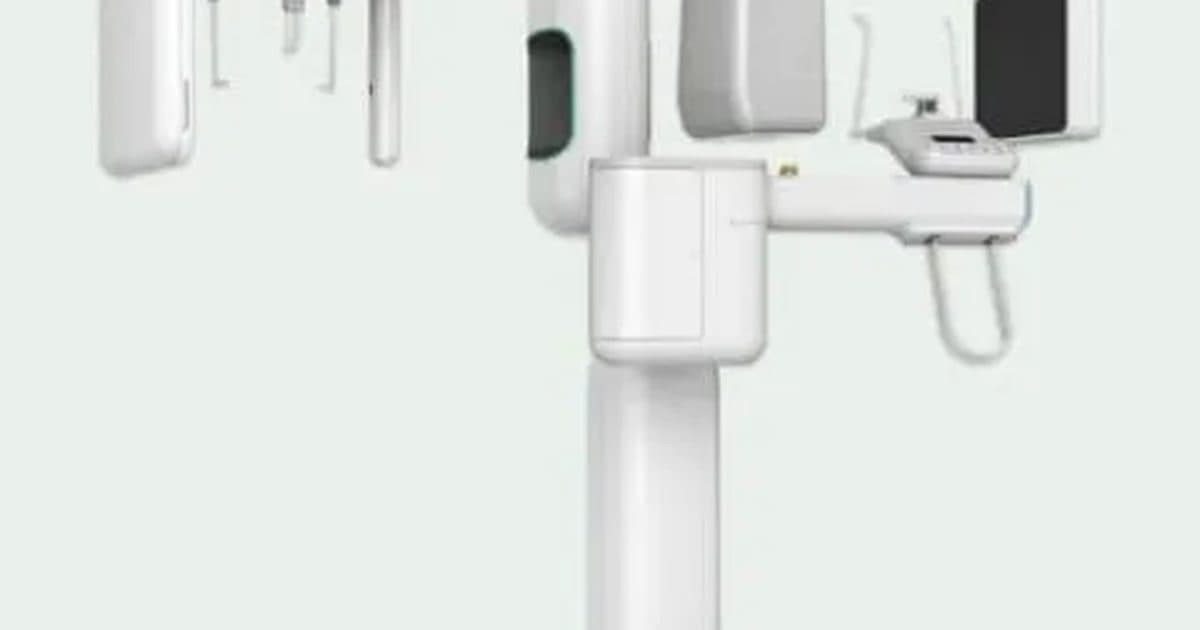
The dentist examines jaw movement, listens to the joint, feels the muscles and checks how the teeth meet. An OPG or CBCT scan shows the joint and rules out dental causes such as an impacted wisdom tooth. If mouth opening is severely restricted, see restricted mouth opening treatment.
Treatments that help
- Self-care first: soft diet for a week or two, avoiding wide yawning and gum, warm compresses, gentle stretching exercises and stress management.
- A night guard (occlusal splint) made to fit your teeth, which protects them from grinding and lets the jaw muscles relax.
- Bite adjustment when a filling or crown is high, or restoring missing back teeth so the bite is supported.
- Medication for a short period to reduce muscle spasm and inflammation when needed.
- Physiotherapy and jaw exercises for stubborn muscle pain.
- Specialist care for persistent joint problems; surgery is reserved for the rare cases that do not respond.
Most patients improve substantially within a few weeks of a splint and self-care.
Common questions
Is jaw clicking dangerous? Painless clicking alone usually needs no treatment. Clicking with pain, locking or reduced opening should be assessed.
Will the pain go away on its own? Mild episodes often do with rest and a soft diet. Pain lasting more than two weeks, or recurring, needs a proper cause found.
Can missing back teeth cause jaw pain? Yes. Without back teeth the bite collapses and the joint and muscles take the strain; replacing them with implants or bridges often relieves it.
Jaw pain while chewing in Rajkot? Book an assessment and find the cause rather than living with it.