"You need a bone graft first" is something patients hear and worry about. A graft is sometimes essential, sometimes avoidable, and the decision is made from a 3D scan, not a guess.
Why there may not be enough bone
Bone needs the stimulation of a tooth root to stay. After a tooth is lost, the bone in that area shrinks — most of the loss happens in the first year. Long-standing gum disease, a difficult extraction, an infection or years of wearing a denture all reduce bone further. The upper back jaw has the extra problem of the sinus sitting just above the roots.
How the decision is made
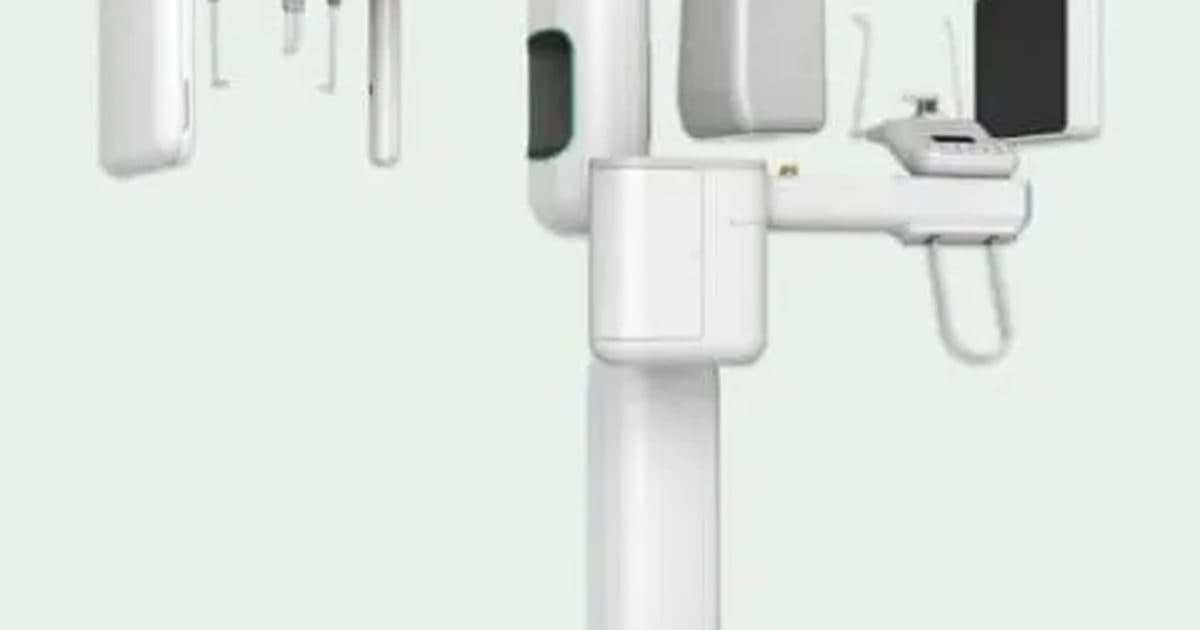
A CBCT scan measures bone height and width in millimetres at the exact implant site. From this the implantologist can see whether a standard implant fits with a safe margin of bone around it. Our technology page explains what the scan shows.
When a graft is needed
- The ridge is too thin for an implant to be fully surrounded by bone
- The upper back jaw has too little height below the sinus (a "sinus lift" adds bone there)
- A large defect remains after removing an infected tooth or cyst
- An aesthetic front-tooth site where the gum contour depends on the bone beneath
Grafting uses bone substitute materials, sometimes combined with your own bone, and typically needs several months to mature before, or alongside, implant placement.
Ways grafting is often avoided
- Socket preservation. Placing graft material into the socket at the time of extraction prevents most of the shrinkage, so a later implant fits without a separate graft procedure.
- Immediate implants. Placing the implant into the fresh socket where the bone allows.
- Angled or shorter implants. Tilting implants into available bone is the principle behind All-on-4, which avoids sinus lifts in most full-arch cases.
- Choosing the implant site carefully in a bridge or multi-implant plan.
What it means for your timeline
Without a graft, a single dental implant takes about 10 to 14 weeks from placement to final crown. A graft adds a healing period before placement, so patients visiting from outside Rajkot are told up front whether they should expect two or three trips.
Common questions
Is a bone graft painful? It is done under local anaesthesia. Swelling and soreness for a few days are normal and manageable, similar to an extraction.
Where does the graft material come from? Usually processed bone-substitute materials; occasionally a small amount of your own bone from nearby in the jaw.
Can I avoid a graft by acting quickly? Often, yes. Replacing a tooth within months of losing it — or preserving the socket at extraction — keeps the most bone.
Lost a tooth and wondering about bone? Book a CBCT assessment and get a clear answer.