All-on-4 and All-on-6 both replace a full arch of teeth with a fixed bridge supported by implants — four in one case, six in the other. Neither is universally better; the right choice depends mainly on your jawbone.
What they have in common
- The teeth are fixed. They are not removed at night and do not sit loose on the gums like a denture.
- Provisional fixed teeth are fitted within 3 to 5 days of surgery, so you are not left without teeth.
- The final prosthesis is fitted about 3 to 4 months later, once healing is complete.
- Both restore proper chewing and help preserve the jawbone, which shrinks when teeth are missing.
How they differ
All-on-4 uses four implants, with the back two angled to make the most of the bone available. This often avoids the need for bone grafting, which means fewer procedures.
All-on-6 uses six implants, spreading the chewing load across more points. Where bone volume allows it, that extra support can be an advantage.
How the choice is made
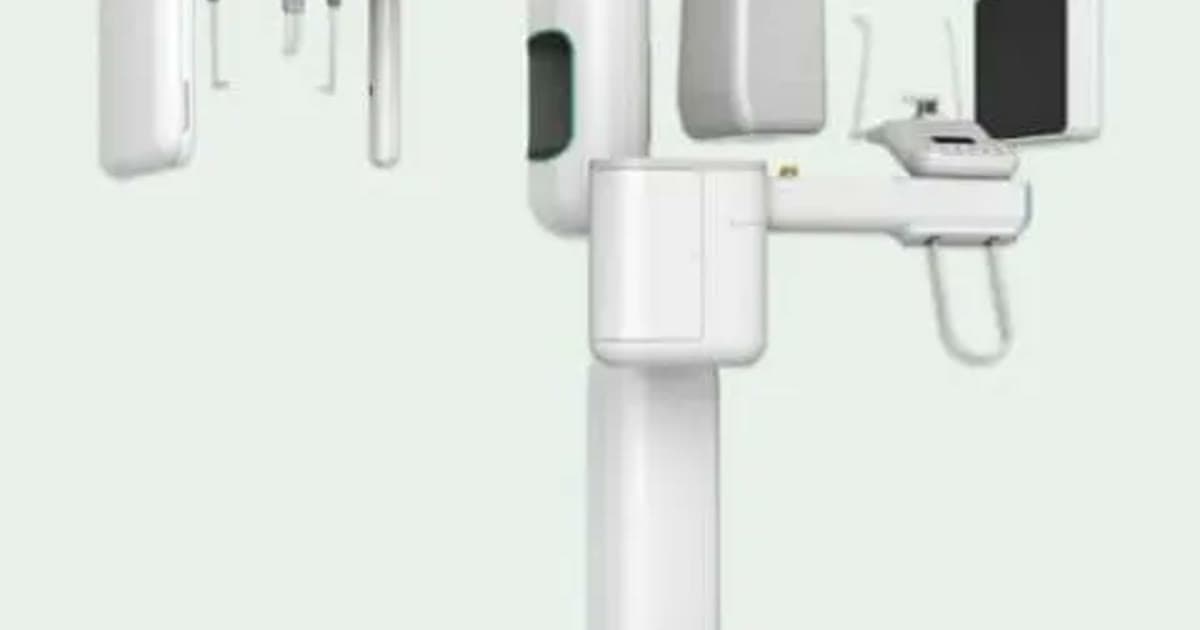
The deciding factor is what a 3D CBCT scan shows: how much bone there is, where it is, and its quality. Your bite, the opposing teeth and your general health matter too. This is a clinical decision made after examination, not something to settle from an article.
Who these treatments suit
- People with a full arch of failing or missing teeth.
- Long-term denture wearers tired of movement while eating or speaking.
- Patients who want fixed teeth rather than something removable.
What recovery involves
The implants are placed under local anaesthesia. Some soreness and swelling for a few days is normal. A soft diet is advised during healing, while the provisional teeth let you eat and speak.
Common questions
Is it painful? The surgery is done under anaesthesia, and discomfort afterwards is managed with prescribed medicine.
How long do they last? Well-maintained implants can last many years; the prosthesis on top may need maintenance over time.
What if I have been without teeth for years? Bone shrinks when teeth are missing, so a scan is essential — in some cases grafting is recommended first.
Can family abroad arrange this for a parent? Yes. Share X-rays on WhatsApp for a written plan before travelling — see dental care for NRI patients.
Read more about dental implants and full mouth rehabilitation, or book a consultation.