"Pyorrhoea" is the everyday name for periodontitis — gum disease that has spread from the gums to the bone holding the teeth. It is one of the commonest reasons adults in Rajkot lose teeth, and it is almost always preventable if it is caught at the early, bleeding-gums stage.
How gum disease progresses
- Gingivitis. Plaque along the gum line makes the gums red, swollen and quick to bleed. There is no bone loss yet, and it is fully reversible with cleaning.
- Early periodontitis. Tartar (hardened plaque) pushes under the gum, pockets form between gum and tooth, and the bone starts to recede.
- Advanced periodontitis (pyorrhoea). Pockets deepen, pus may appear, breath smells bad, gums shrink and teeth loosen or drift apart.
Signs to watch for
- Gums that bleed when brushing or eating
- Persistent bad breath or a bad taste
- Gums pulling away so teeth look longer
- Pus between the teeth and gums
- Teeth that feel loose or have moved, creating new gaps
- Pain when chewing
Smoking, uncontrolled diabetes, irregular cleaning and family history all raise the risk.
How it is treated
Treatment depends on the stage, and the first step is always measuring the pockets and taking X-rays to see how much bone remains.
- Scaling and polishing removes plaque and tartar above and just below the gum line. For gingivitis this is usually all that is needed. Professional teeth cleaning is painless and takes one visit.
- Deep cleaning (root planing) cleans the root surfaces inside deeper pockets under local anaesthesia so the gum can reattach.
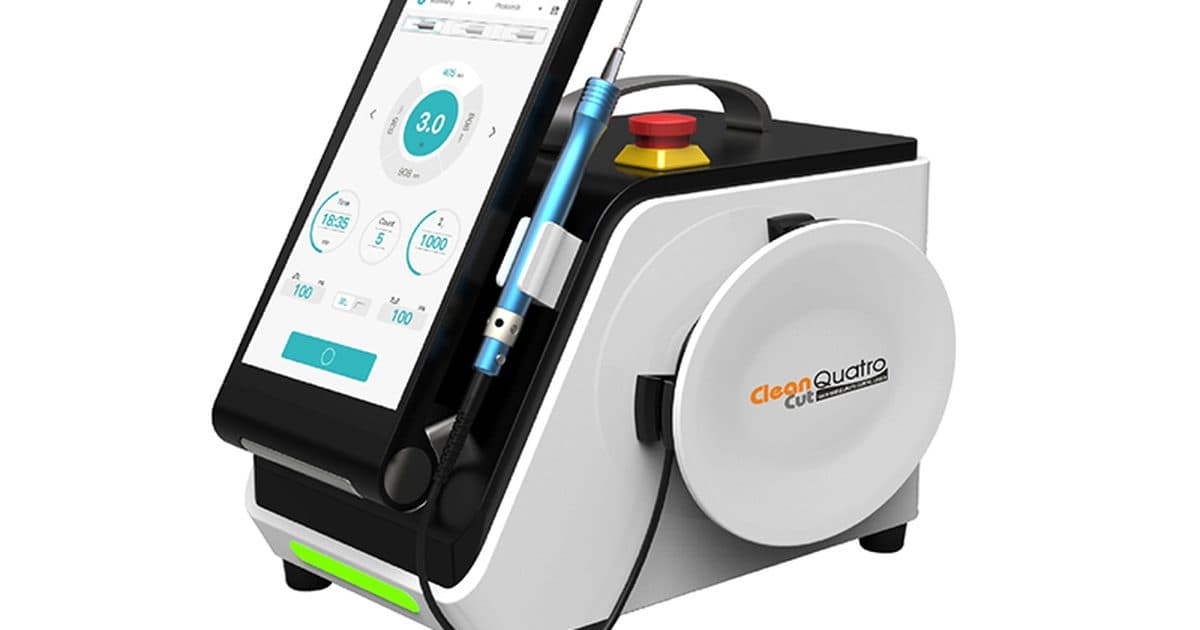
- Laser gum treatment removes infected pocket lining precisely and with less bleeding, supporting faster healing. See gum laser treatment in Rajkot.
- Maintenance visits every three to six months, because the bacteria return quickly without them.
Teeth that have lost too much bone may not be saveable; the plan for replacing them, from bridges to dental implants, is discussed only once the gums are healthy.
Common questions
Can pyorrhoea be cured? The infection can be controlled and the bone loss stopped, but bone that has been lost does not grow back on its own. The earlier treatment starts, the more of the tooth's support is kept.
Does scaling make teeth loose? No. Teeth sometimes feel looser immediately after scaling because the tartar that was splinting them together has been removed; the underlying looseness was already there.
Does gum disease affect general health? Gum disease and diabetes affect each other in both directions, and chronic gum infection adds to the body's overall inflammatory load, which is why controlling it matters beyond the mouth.
If your gums bleed or your teeth feel loose, book a gum assessment before more bone is lost.