A gap between the front teeth (a diastema) can be closed in several ways. Which one suits you depends on why the gap is there — and that is worth establishing before choosing a treatment.
Why gaps happen
- Teeth that are small relative to the jaw, leaving natural spacing.
- A thick band of tissue between the front teeth (labial frenum).
- Missing or undersized teeth elsewhere, letting the others drift.
- Gum disease, which allows teeth to move — this must be treated first.
- Habits such as long-term thumb-sucking or tongue thrusting in childhood.
The options
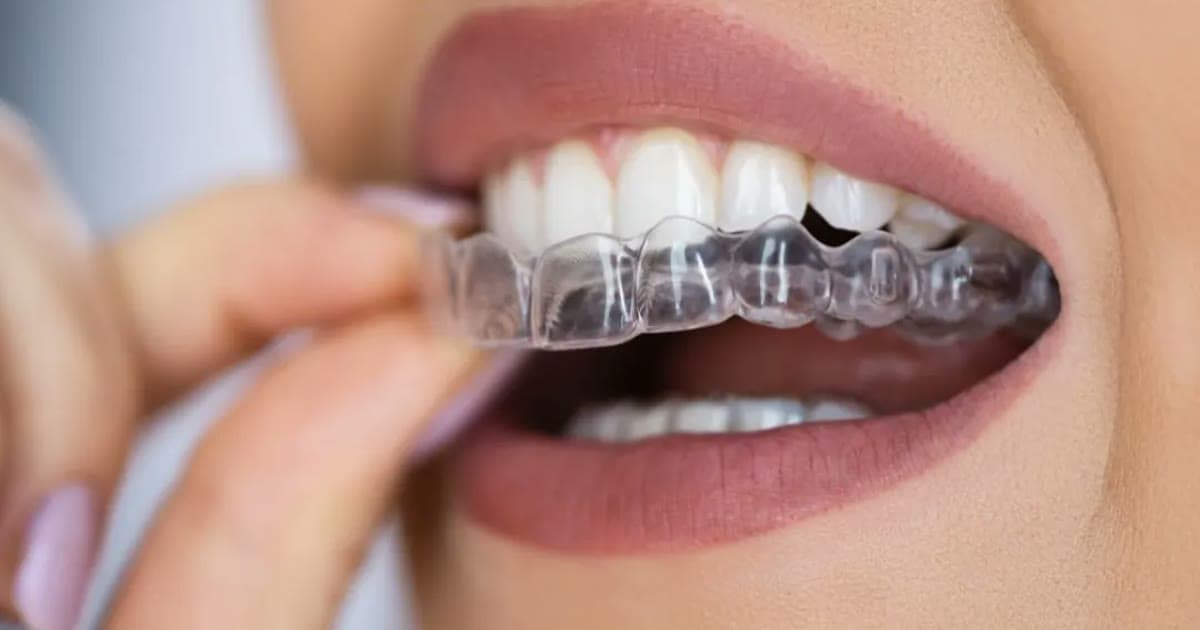
Aligners. Transparent removable plates that move the teeth gradually into position. They close the gap by moving your own teeth rather than covering it, and they are nearly invisible during treatment.
Braces. Fixed brackets and wire. The dependable choice when several teeth need moving, or when the bite needs correcting at the same time.
Tooth-coloured bonding. Composite is added to the sides of the teeth to close a small gap, usually in one visit. It changes the shape of the teeth rather than their position.
Veneers. Thin facings that reshape the front teeth. Suitable for small gaps, often combined with other cosmetic work as part of a smile design.
How the choice is made
Moving the teeth (aligners or braces) keeps your own tooth structure intact and is usually preferred when the gap is wide or the bite needs work. Reshaping the teeth (bonding or veneers) is faster, but it changes the teeth permanently and suits smaller gaps.
If gum disease caused the movement, that is treated first — otherwise the gap returns.
After treatment
Whichever route you take, retainers matter. Teeth that were moved will drift back without them, and this is the most common reason gaps reappear years later.
Common questions
Will the gap come back? Not if retainers are worn as advised after orthodontic treatment.
Is bonding or aligners better? Bonding is quicker; aligners address the cause. The right answer depends on your teeth.
Can a gap be closed at any age? Adults are treated routinely, provided the gums and bone are healthy.
Read more about invisible aligners, braces treatment and smile designing, or book a consultation.